
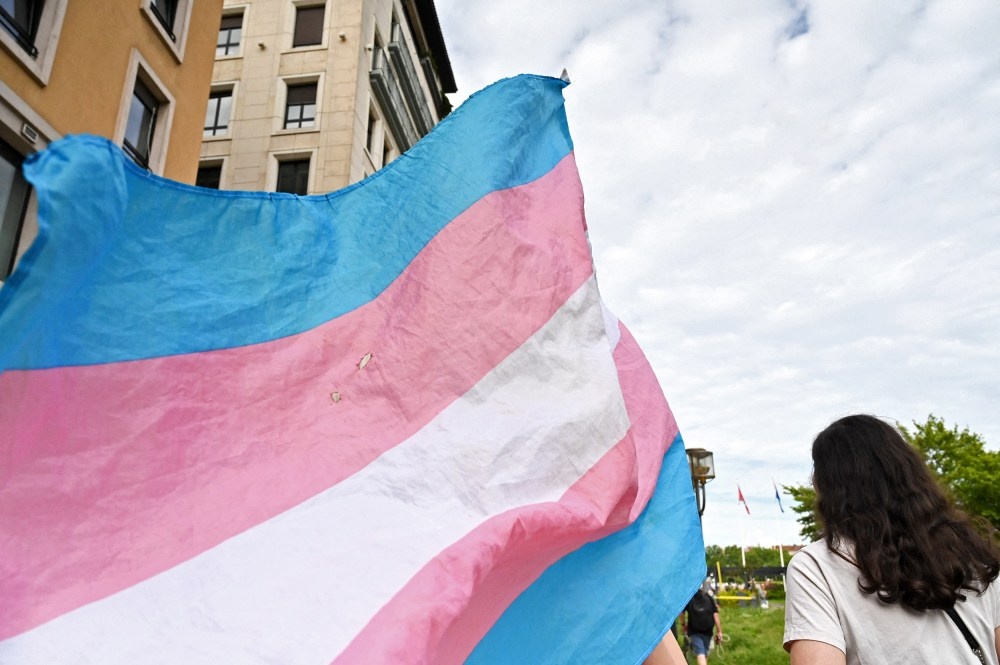
The step comes amid growing global debate about the number of adolescents seeking to change gender.
New Zealand health authorities have announced a ban on new prescriptions of puberty-blocking drugs (gonadotropin-releasing hormone analogues) for young transgender (LGBTQ) people seeking treatment for gender dysphoria or incongruence. The policy is set to take effect starting December 19.
The country’s government stated that the decision stems from a health ministry finding of a lack of “high-quality evidence that demonstrates the benefits or risks” associated with the medication. Health Minister Simeon Brown confirmed that doctors would no longer be able to prescribe these drugs to those seeking treatment for the conditions who are not already taking them.
This step comes amid a growing global debate regarding the number of adolescents seeking to transition. The controversy divides those who are concerned about the hastiness in prescribing such medications from those who worry about access to remedies they consider lifesaving. It is noted that some other nations, such as Britain, have also implemented temporary bans on the sale or supply of these drugs to those under 18 who are not current users.
According to the Ministry of Health, 113 people were using puberty blockers in 2023, a decrease from 140 users reported in 2021. The drugs will still remain available in New Zealand for individuals with conditions such as early onset puberty, endometriosis, or prostate cancer, as well as for current users.
However, critics of the ban warn that the move could worsen the mental health of those affected. Elizabeth McElrea, an official with a transgender health body, stated that the prohibition will have a "devastating impact on the lives and well-being of transgender and gender diverse young people" in the country. She further asserted that the ban will lead to worsening mental health, increased suicidality, and dysphoria for gender diverse children and young people. McElrea added that the policy introduces a higher risk of them experiencing marginalization and discrimination.
Shanan Halbert, the opposition Labour party's spokesperson on Rainbow issues, called for treatment decisions to be made by doctors, young people, and their parents. He also urged the government to ensure adequate support is provided for those impacted by the ban.
Oceania Editorial Department: Jack