
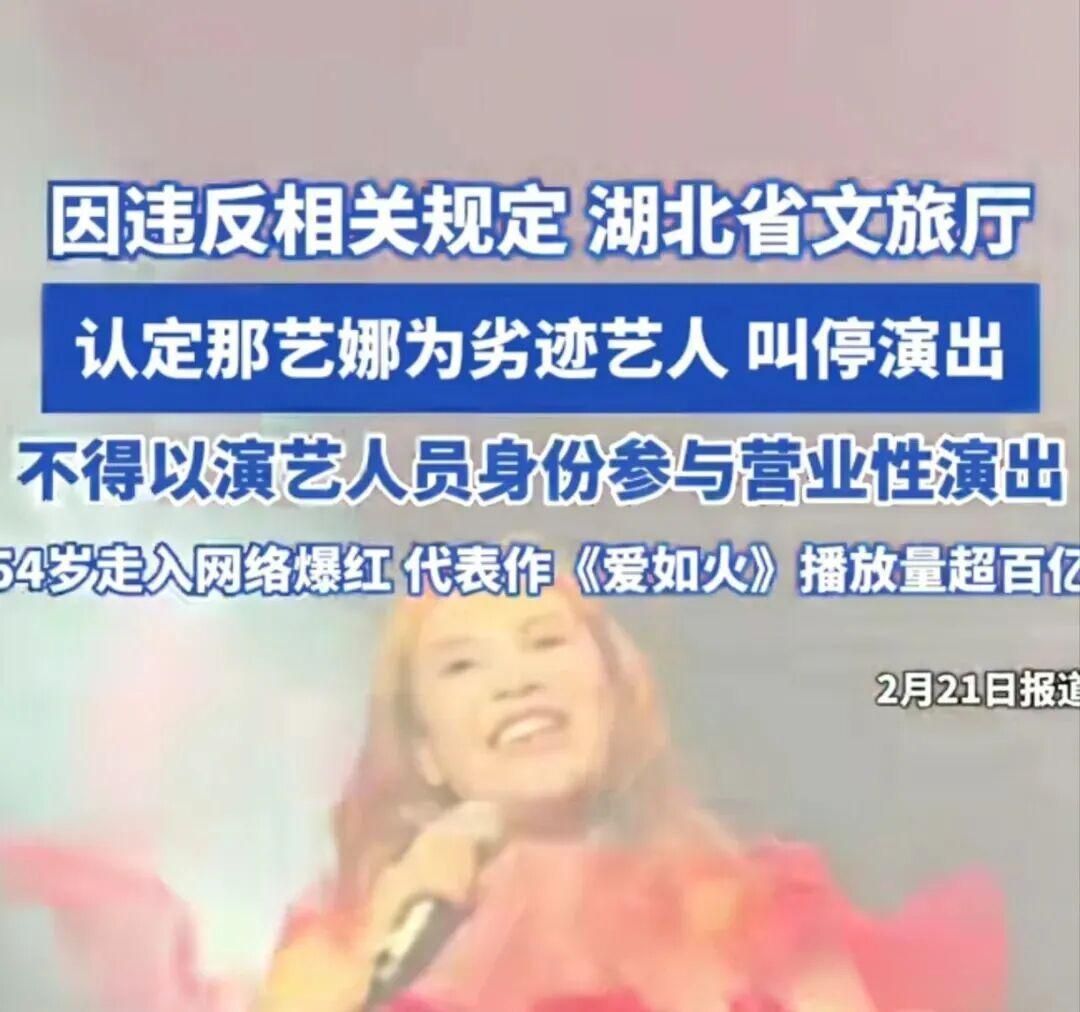
Screenshot of social media
Local official institutions in Mainland China have issued a formal announcement designating the internet performer "Na Yina" (real name Zhai Geying) as a disgraced entertainer. Currently, her commercial performance permit has been legally revoked, and all her domestic commercial entertainment activities have been strictly halted. The career of this grassroots influencer, who gained massive popularity with her single "Love is like Fire" and was revered by countless gay men as a "Spiritual Mother" and a "Diva in the community," has been comprehensively severed.
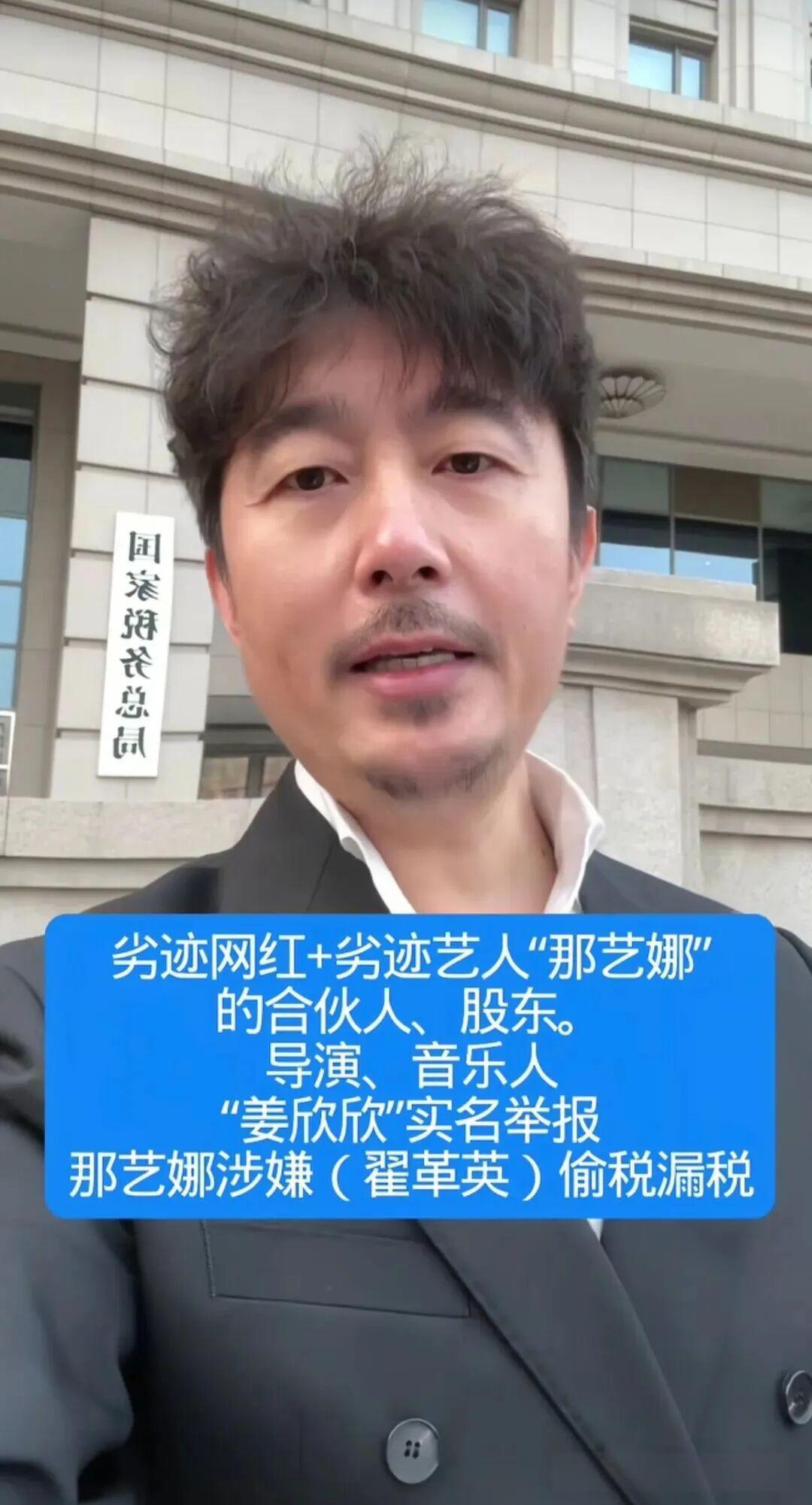
Screenshot of social media
The direct catalyst for this comprehensive ban was a real-name whistleblowing incident. Prior to the ban, Jiang Xinxin, a musician who composed six songs including "Strong Stupid Woman" for the artist, publicly accused Na Yina and her manager Zhang Bing via a short video platform. The allegations pointed to betrayal and suspected severe economic violations, including the use of "yin-yang contracts," tax evasion, and the embezzlement of cooperative revenues.
Looking back at her path to fame, she was born in Zhongxiang, Hubei in 1967 as a traditional rural woman who worked grassroots jobs such as selling tofu and repairing bridge piers, only touching a smartphone for the first time at the age of 54. In early 2022, under her son's guidance, she utilized short video AI filters to fabricate a foreign identity known as "Russian Nana," gaining nearly two million followers in just two months. However, she was permanently banned by platforms after authorities called her out for fraudulently selling domestic OEM goods from Shandong and Henan as "Russian specialties" during live broadcasts.
After the ban, she bypassed restrictions by registering a new account using her husband's ID, completely discarded the foreign label, and transitioned into a grassroots singer. By spending 3,000 RMB on music training classes and releasing the customized original song "Love is like Fire," she achieved her second counter-attack in life. Subsequently, official media and platforms portrayed her as a resilient, frugal lower-class role model who was reluctant to buy expensive clothes, burdened by family debts, and cared for a severely ill husband requiring surgery while insisting on performing. Leveraging this simple and resilient new persona, her resources skyrocketed; her works were covered by famous stars, and she gained opportunities to shoot videos with mainstream celebrities and feature in fashion magazines.
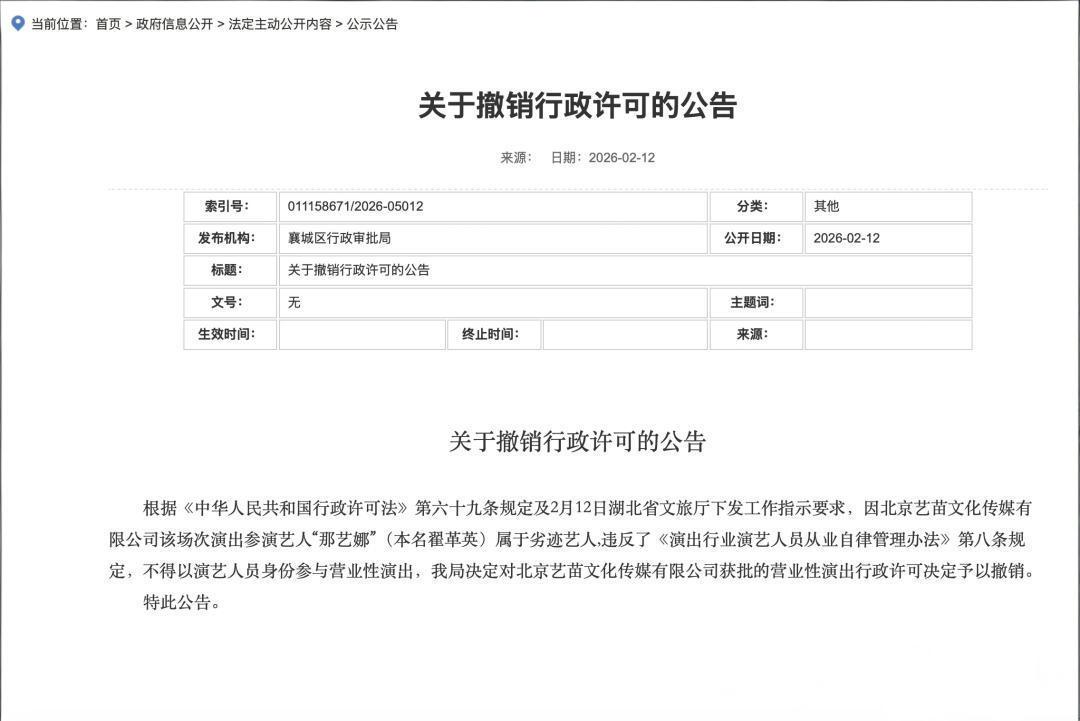
Screen capture of online platform
The full support of the gay community played a core driving role in Na Yina's ability to break out of her initial circle. In subcultural circles, this demographic has a tradition of idolizing "Diva-type female artists," and Na Yina's appearance accurately hit all their emotional pain points, making her an undisputed "top-tier gay influencer". Driven by their support, her national tours experienced sold-out success in cities with high concentrations of gay communities, such as Chengdu and Changsha.
However, behind the prosperity and the manufactured simple persona lay numerous calculations and illegal operations. These ranged from early fraudulent marketing using a fake foreign identity and frequent lip-syncing during commercial performances, to touching industry red lines by inviting disgraced artists to share the stage, culminating in the recent real-name reports of tax evasion and amassing wealth through yin-yang contracts. Na Yina's comprehensive ban marks the absolute end of a traffic farce that began with filters and ended in moral failure, sounding an alarm for the industry: sincerity and law-abiding behavior are the only foundations for long-term survival.
Asian Editorial Department: Lu Junxiu