
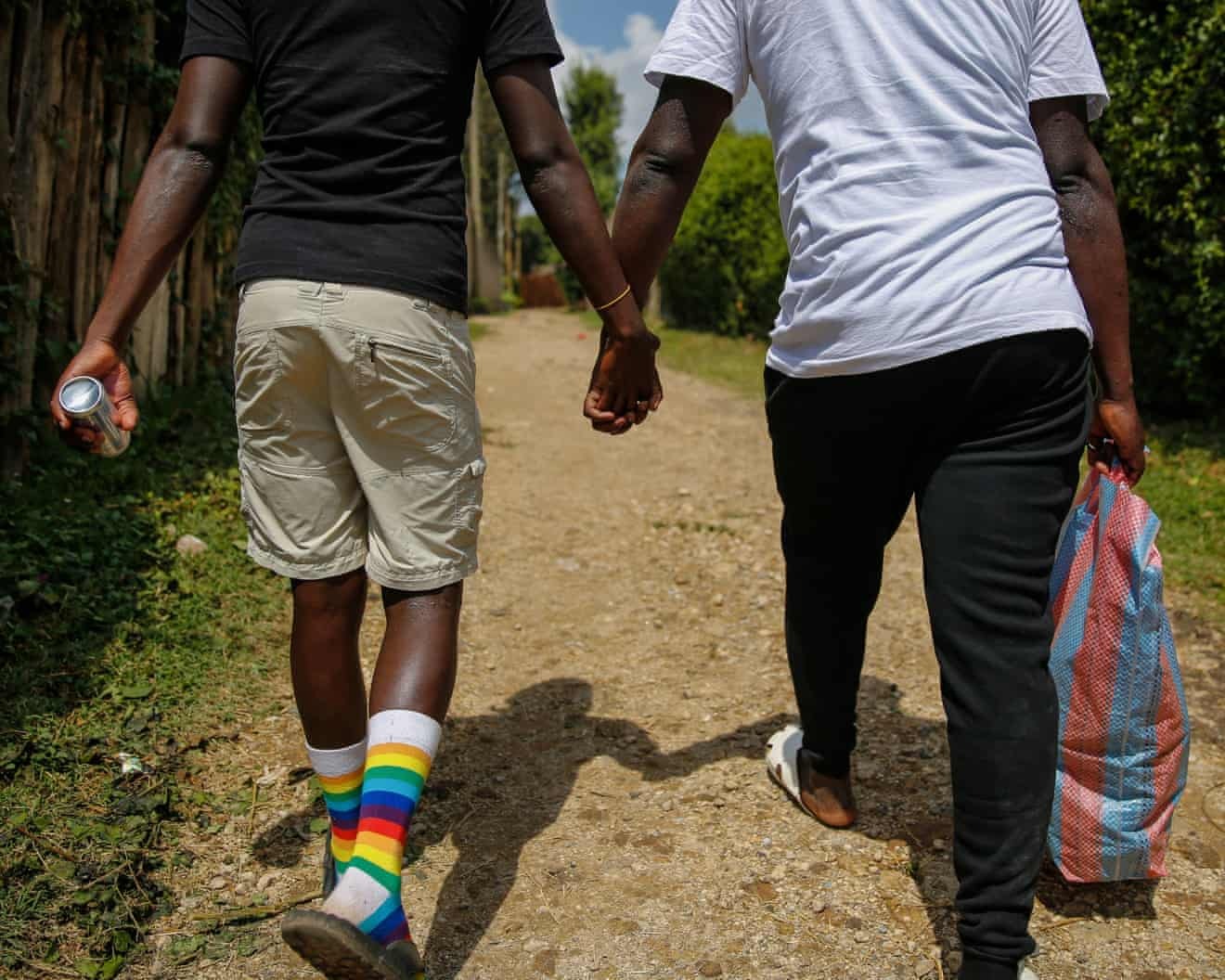
Human rights groups say LGBTQ+ people in Kenya have seen a rise in incidents of blackmail and extortion, which are often accompanied by violence. Photograph: Brian Inganga/AP
In a decision hailed as a major breakthrough for human rights in East Africa, the Milimani Law Courts in Nairobi sentenced two individuals to 15 years in prison for robbery with violence on March 3. The case involved a brutal attack on two gay men, marking a rare instance where members of the queer community in Kenya have secured justice through the official legal system.
The victims were lured to a private residence through social media, where they were ambushed by a group of men. Over four hours, the attackers subjected the victims to physical violence and threatened to kill them or "out" them to their families if they did not pay a ransom. The perpetrators eventually released the pair after receiving a transfer of 100,000 Kenyan shillings. Human rights organizations suggest these attackers belong to organized cartels that specifically target sexual minorities, often operating with perceived impunity.
The legal and social landscape remains challenging for the community:
Criminalization: Kenya is one of dozens of African nations where gay sex remains illegal, carrying a penalty of up to 14 years in prison.
Rising Hostility: Advocacy groups have reported a spike in blackmail and extortion, with 226 cases recorded in 2025 and 61 cases in the first two months of 2026 alone.
Institutional Barriers: Victims often face harassment when reporting crimes to the police, with officials sometimes dismissing cases due to the sexual orientation of the complainants.
Legal experts believe this sentencing serves as a crucial deterrent. While a legislative proposal known as the "Family Protection Bill" threatens to further restrict freedoms, this judicial outcome offers a glimmer of hope that the law can protect all citizens from violence regardless of their identity.
Africa Editorial Office: Adeola