
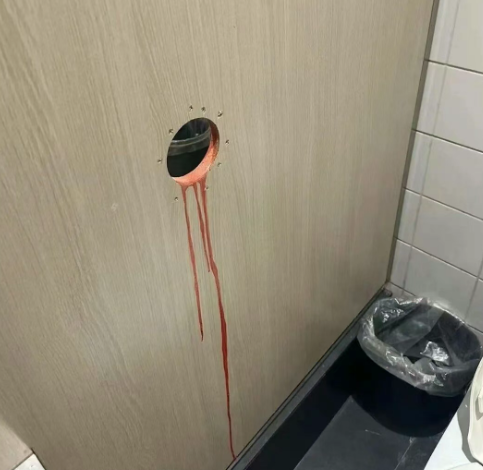
A 24-year-old graduate student, identified as Xiao Gang, sustained severe injuries at a well-known commercial street in Taidong while engaging in clandestine physical contact activities via a "glory hole". At approximately 9:00 PM, Xiao Gang attempted anonymous contact through an illegally modified partition when he was subjected to a sudden, unprovoked physical assault from the adjacent stall. The attack resulted in serious trauma to sensitive areas of his body, compounded by friction burns from the jagged edges of the opening.
The incident highlights a critical issue: victims of such trauma often avoid medical or legal assistance due to intense social stigma and fear of academic or reputational consequences. Experts warn that self-treating such injuries significantly increases the risk of permanent physical damage and long-term psychological distress. Despite previous attempts by authorities to block these openings with metal sheeting, the persistent vandalism of these barriers underscores the recurring nature of the problem.
From a public health perspective, these anonymous and unprotected encounters represent a collapse of health safety protocols. Medical professionals emphasize that participating in such activities within unsanitary public facilities is a high-stakes gamble with both personal safety and infectious diseases. For the youth and LGBTQ+ communities, the lack of healthy psychological outlets and comprehensive sexual education remains a primary factor driving individuals toward these high-risk behaviors.
Urban authorities maintain that public facilities must serve as safe, civilized spaces for all citizens rather than clandestine arenas for hazardous behavior. Ensuring public safety requires more than physical repairs; it necessitates robust psychological support and health education to guide vulnerable individuals toward safe and healthy social interactions.
Asian Editorial Department: Lu Junxiu