
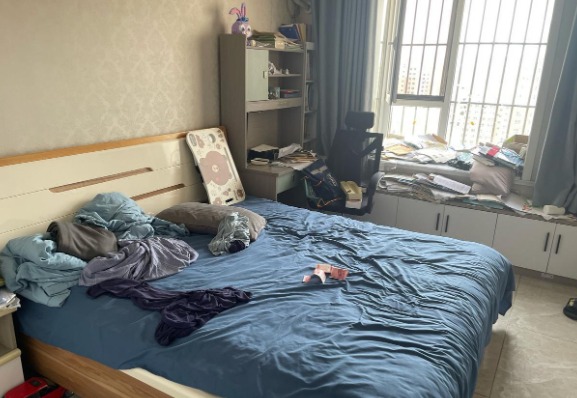
In a 2017 criminal case characterized by an unusual motive, a 40-year-old unemployed man surnamed Fan was sentenced to one year and three months in prison for a string of thefts across Mainland China. The court also imposed a fine of 3,000 RMB following his conviction for burglarizing over 10 construction site dormitories within a single month.
Investigations revealed that Fan targeted vulnerable construction worker residences to steal cash, jewelry, and mobile phones. During interrogation, Fan confessed that his crimes were motivated by a desperate desire to maintain a complex same-sex relationship with two men in their early 20s, known by pseudonyms Xiao Yu and Xiao Chen.
The trio had established a parasitic dynamic three years prior, in which Fan acted as the sole financial provider despite having no steady income. Driven by a fear of abandonment and extreme emotional dependency, Fan resorted to criminal activity after his personal savings were exhausted.
Evidence presented in court showed that Fan lived in extreme poverty, often starving himself, while immediately transferring all proceeds from his thefts to his partners to fund their clothing and entertainment expenses. Even at the time of his arrest, the two younger men were reportedly sending messages demanding more money, unaware or indifferent to the illegal origins of the funds.
Legal experts suggest this case serves as a tragic example of how distorted emotional values can lead to severe legal consequences. The court emphasized that while emotional bonds are personal, they do not excuse the violation of public property laws. Following the verdict, Fan expressed remorse for his actions, acknowledging that his attempt to "buy" affection had ultimately destroyed his own life and harmed innocent workers.
Asian Editorial Department: Lu Junxiu