
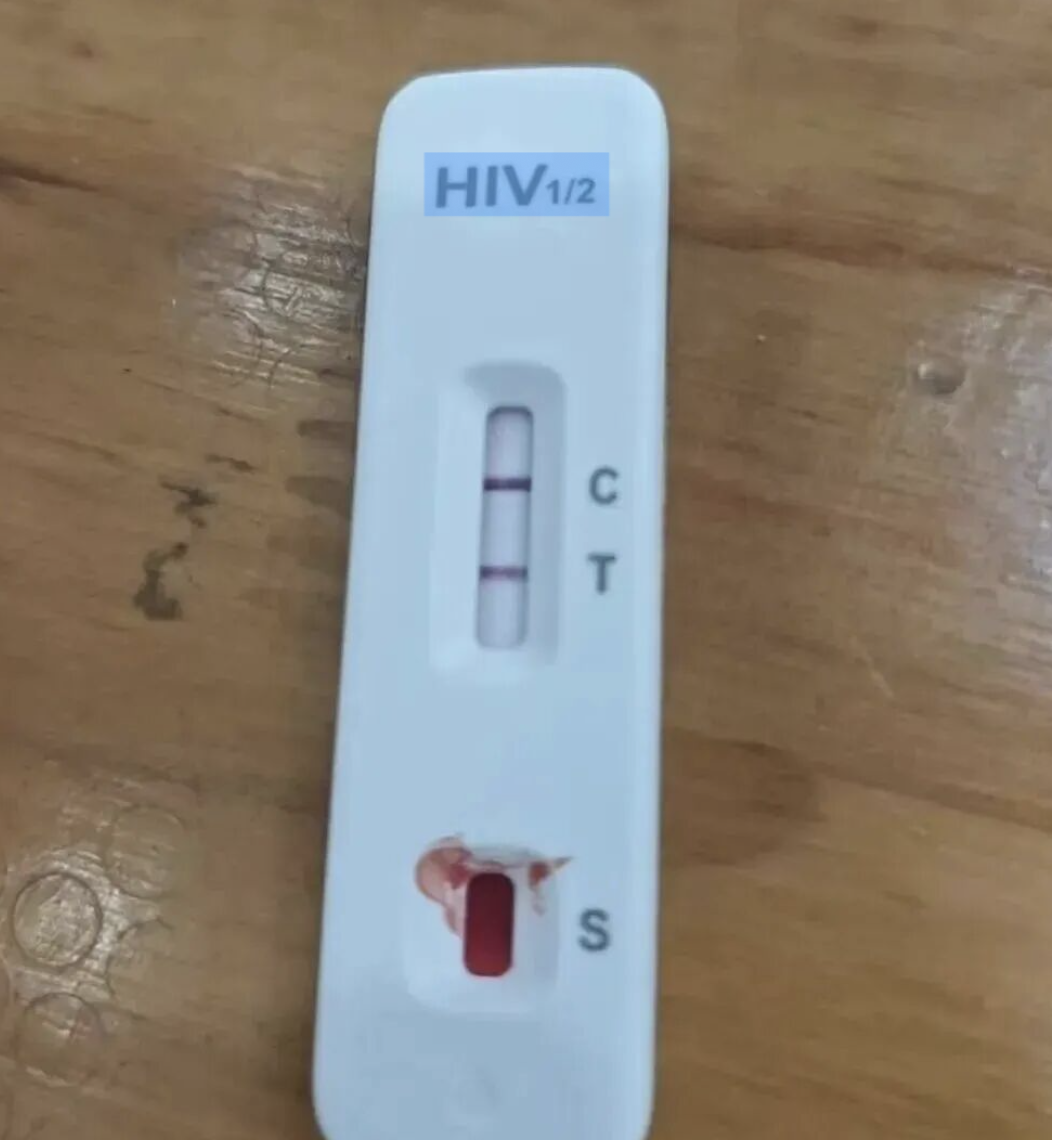
On November 25, 2025, the Center for Disease Control (CDC) in a city in Mainland China released a report detailing a representative infection case involving a third-year university student. The individual, referred to as Xiao Chen, had no prior history of high-risk behavior and consistent negative results in previous annual physical examinations.
According to the investigation, Xiao Chen met a male partner through a popular social networking app during his junior year. Although the pair underwent joint testing at a public health facility before their first encounter—resulting in negative tests for both—Xiao Chen gradually lowered his defenses. Over the following three months, his partner repeatedly refused to use protection, citing the initial negative results. Xiao Chen, influenced by a false sense of security, engaged in over ten unprotected acts. He eventually sought medical attention after developing symptoms of condyloma acuminatum (genital warts) and subsequently tested positive for HIV and other co-infections.
Epidemiological analysis concluded that the partner's initial negative result occurred during the "window period". Experts clarify that while the antibody testing window typically lasts 2 to 12 weeks, an infected person is already contagious during this time.
Monitoring data for 2025 shows that 3,071 young students in the country were reported as infected, with 84.7% occurring through male-to-male sexual contact. Research indicates that 62.3% of those infected held misconceptions, such as believing a partner's healthy appearance negated the need for protection. Furthermore, only 37% of individuals sought Post-Exposure Prophylaxis (PEP) within the critical 72-hour window following high-risk encounters.
Medical professionals warn that a negative test result is not an absolute certificate of safety. Consistent use of protection, regular testing, and timely access to PEP services remain the only reliable measures for maintaining personal health.
Asian Editorial Department: Lu Junxiu